The Collection
Mandate
Established by physicist, writer, and systems architect Angelica-Lorraine Wagenknecht, The Major André Collection™ grew from a lifelong practice of preserving material culture.
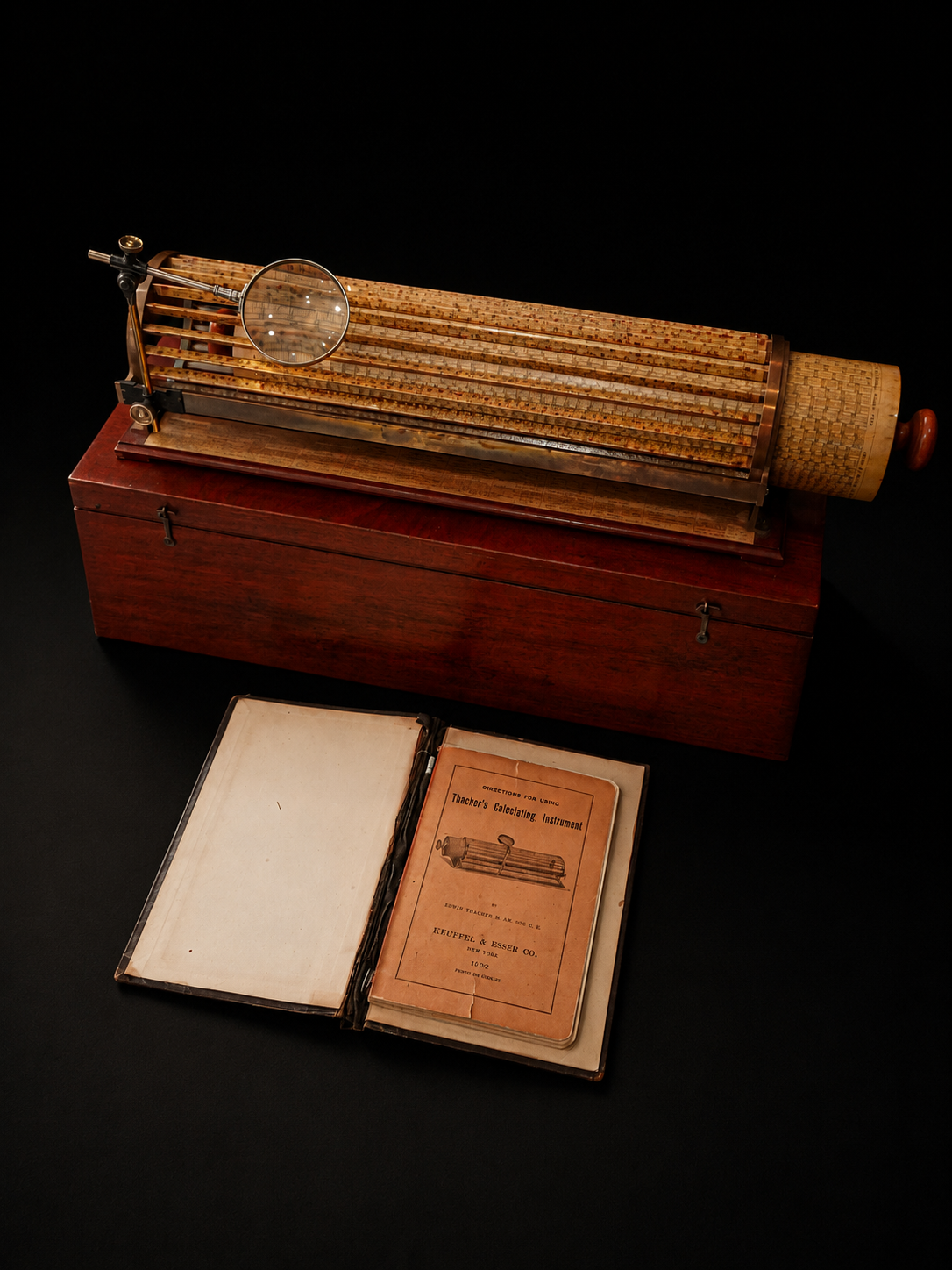
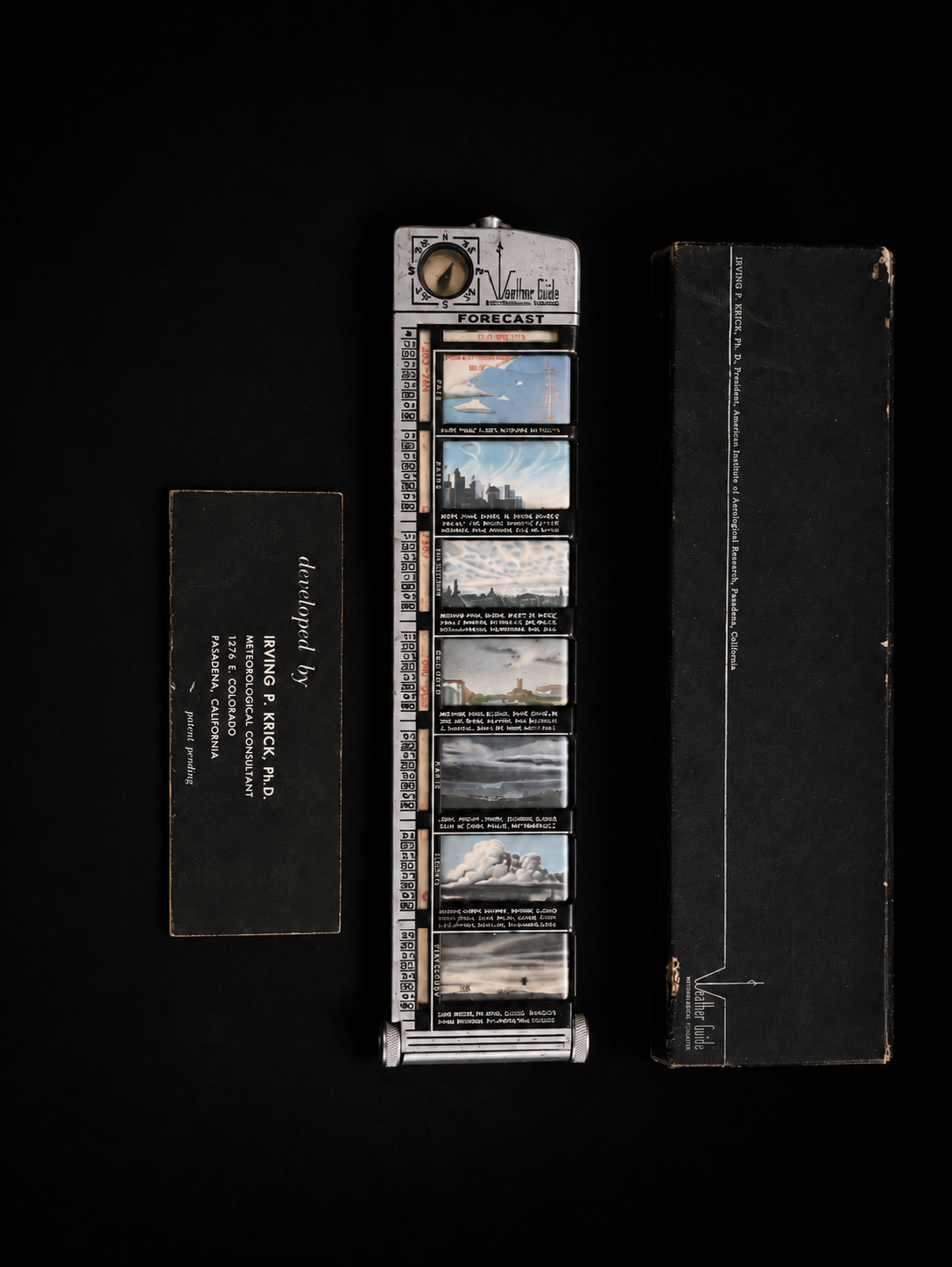
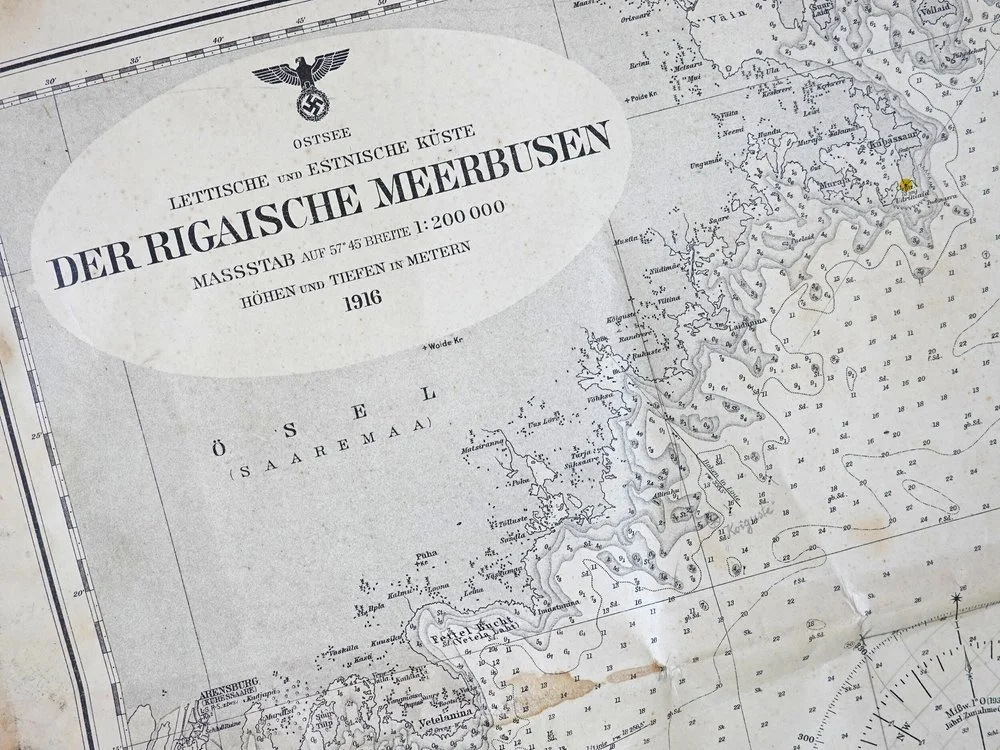
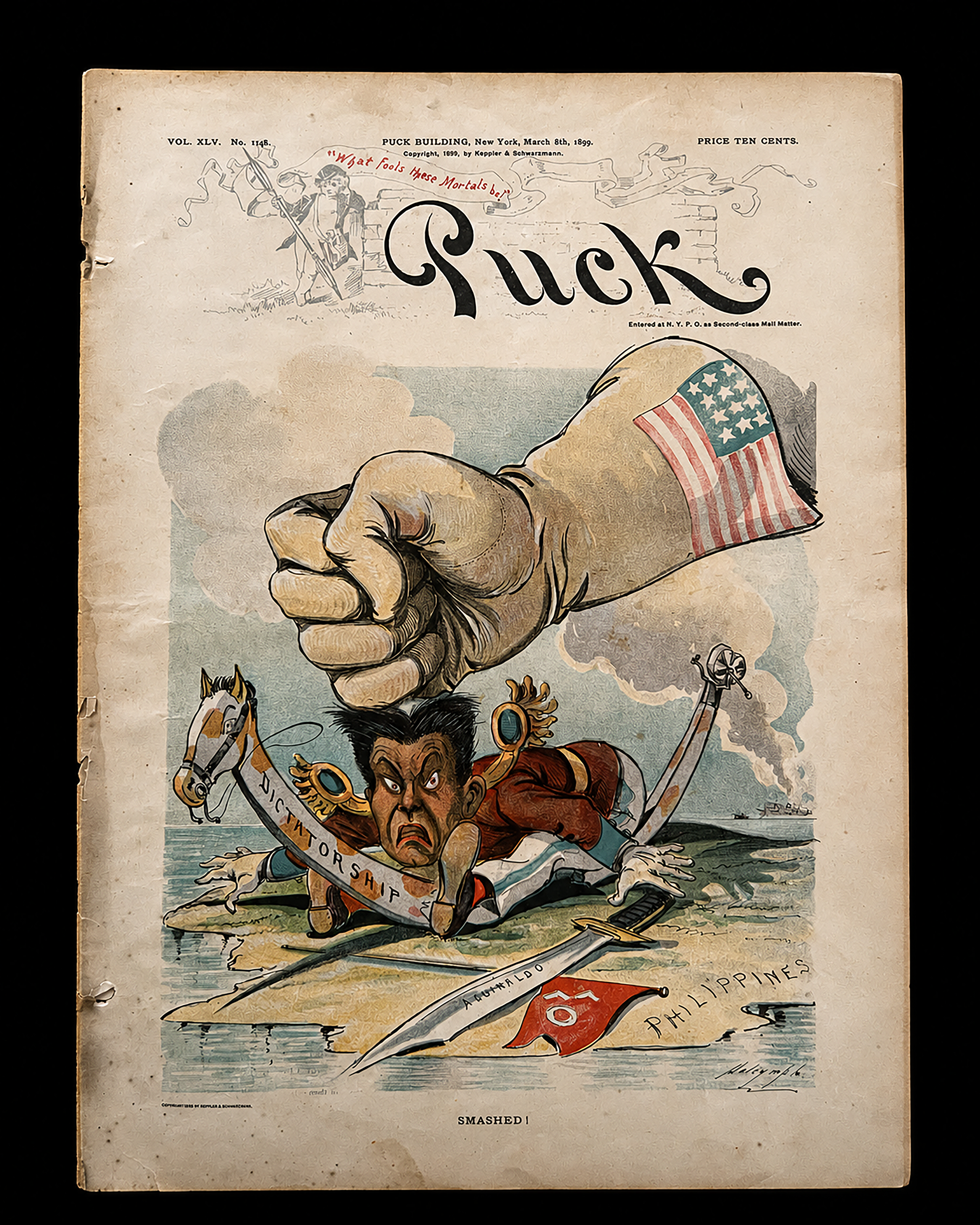
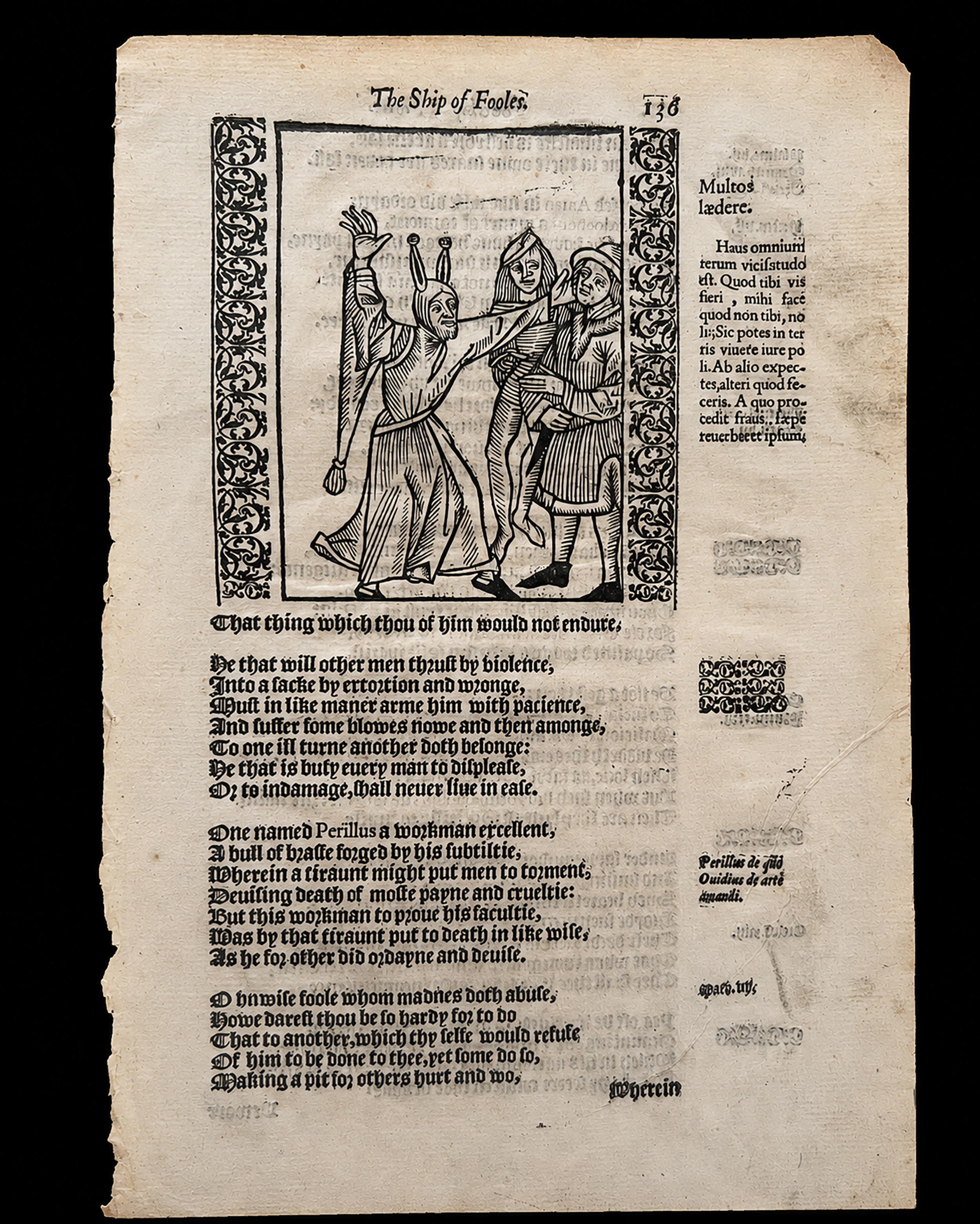
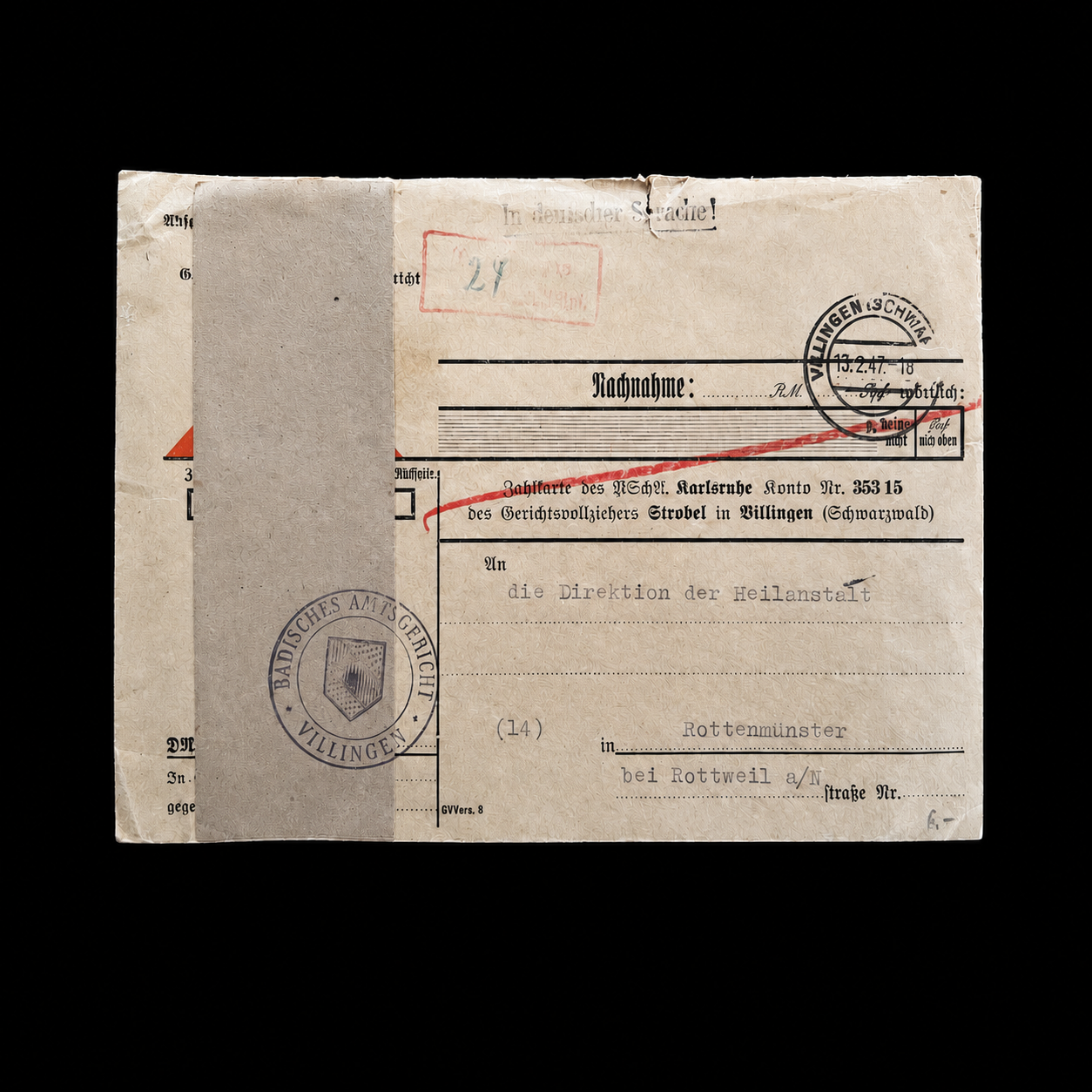
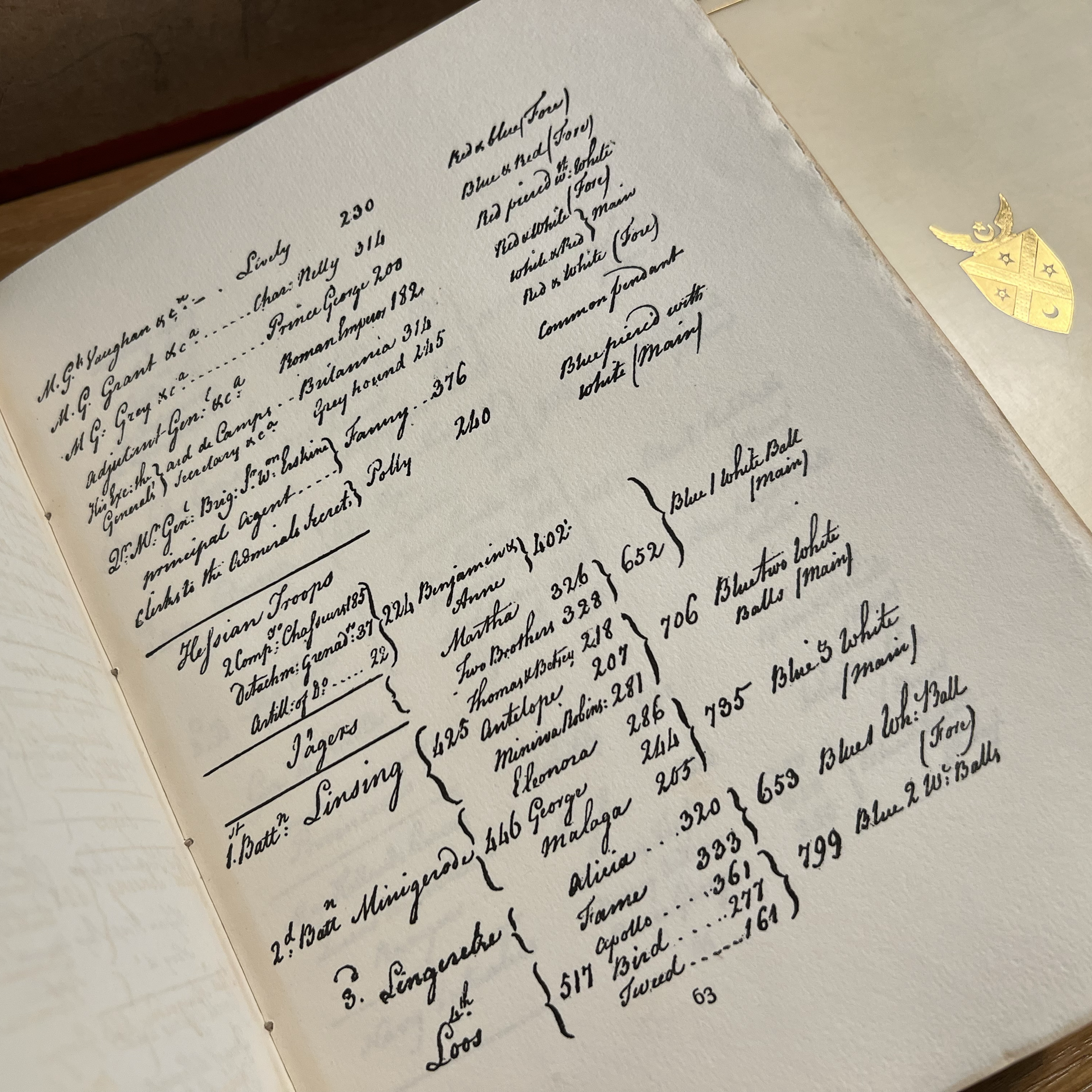
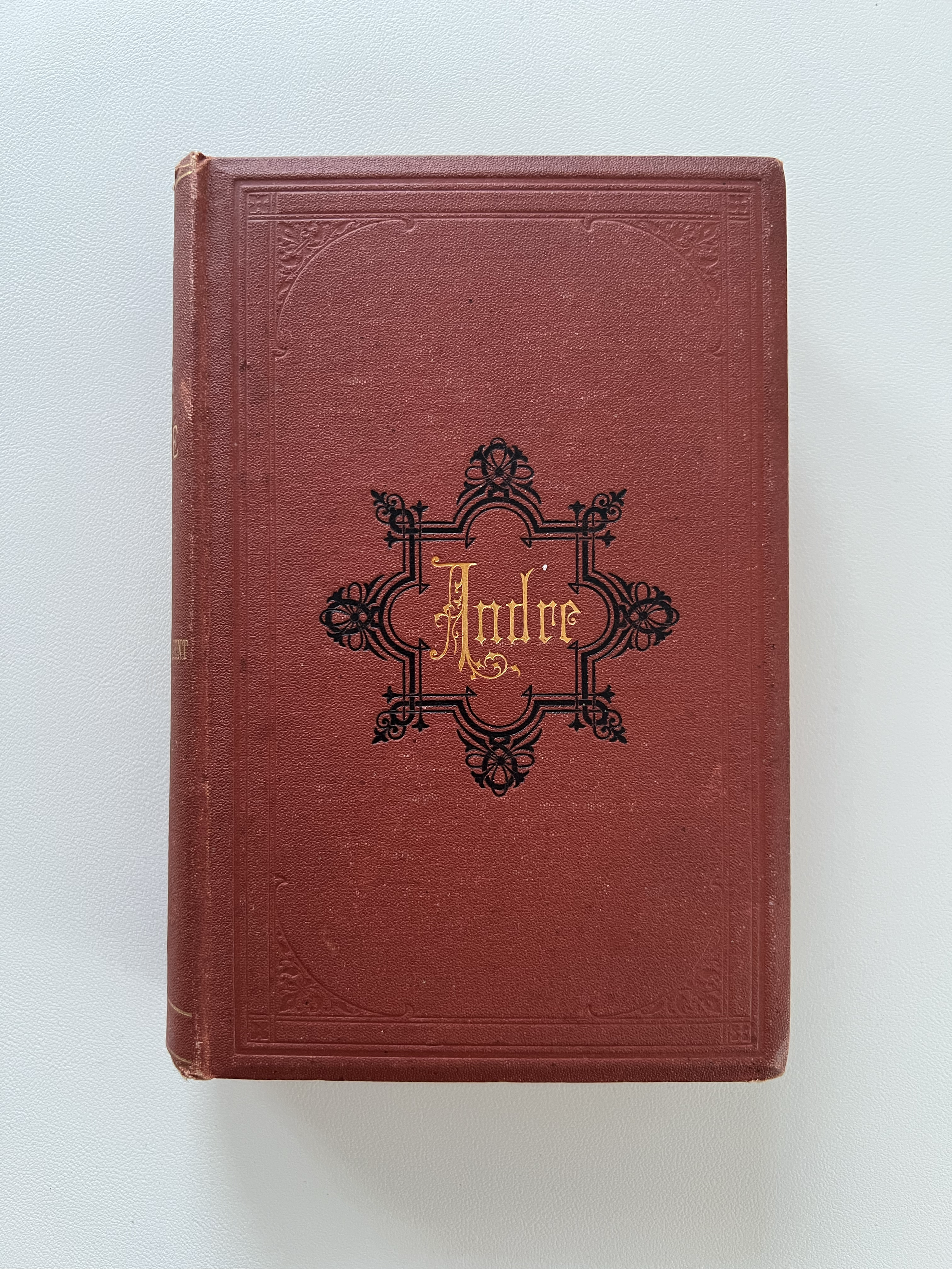
The Collection is an independent not-for-profit museum, research archive, and educational institution dedicated to Major John André and the wider world in which he lived. Its holdings encompass rare books, manuscripts, scientific and mathematical instruments, maps, correspondence, legal and property documents, devotional objects, sacred relics, writing culture, works on paper, and historical artefacts principally spanning the sixteenth through twentieth centuries.
André stands at the centre of the institution, but the Collection does not isolate him from his age. His life provides a point of entry into the intellectual, military, artistic, scientific, religious, and material cultures that shaped the eighteenth century and continued to influence the generations that followed.
Rather than treating history as a series of separate disciplines, the Collection follows the movement of thought into matter.
It examines a shared landscape in which science, navigation, philosophy, theology, military history, natural history, communication, penmanship, and the arts converge—reflecting an intellectual tradition in which scholars, officers, artists, engineers, natural philosophers, explorers, and correspondents moved readily between fields of enquiry.
Central to the Collection is the principle that historical artefacts are not merely objects to be preserved, but evidence to be read, studied, compared, interpreted, and, where appropriate, handled and used.
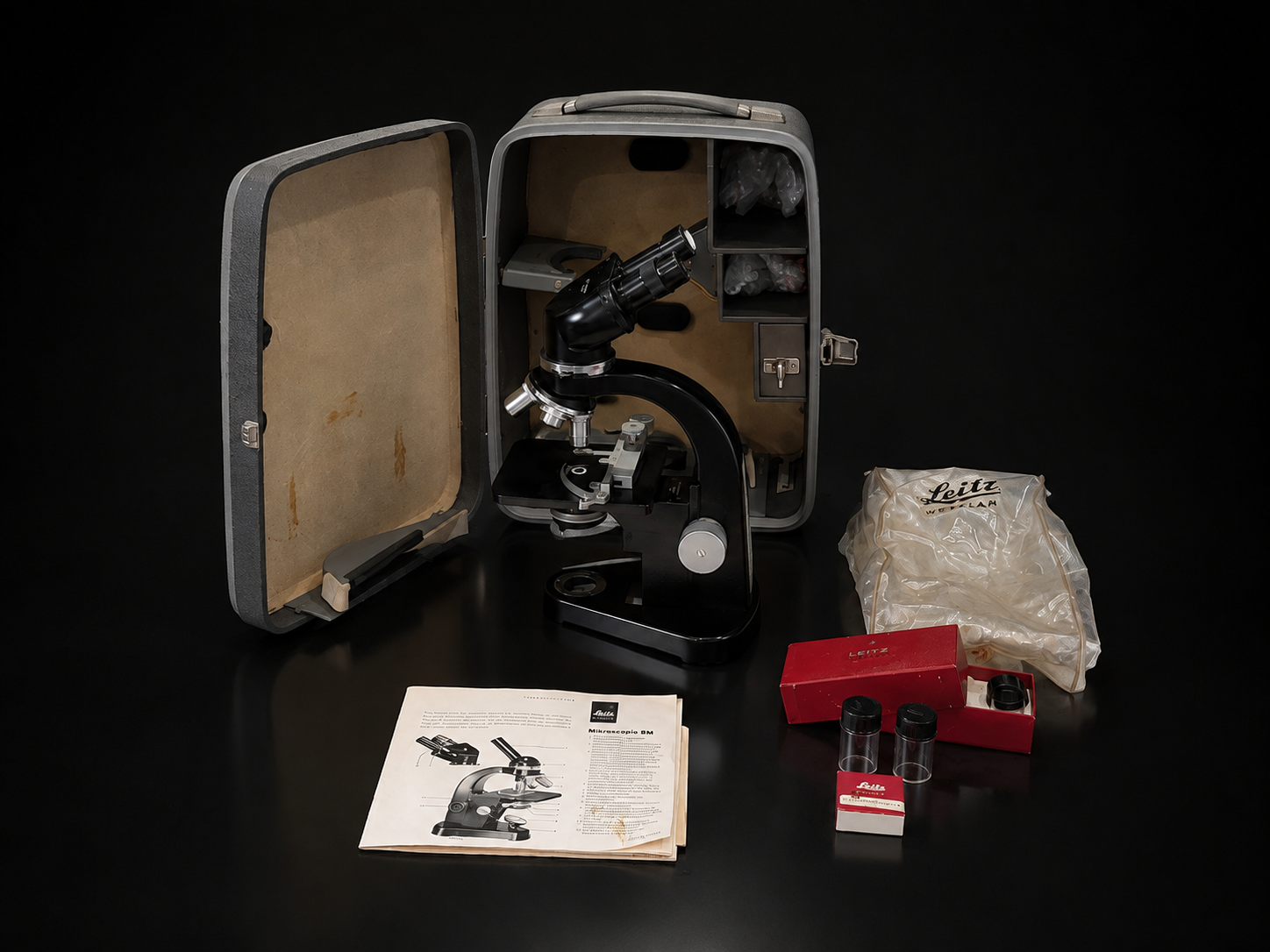
Scientific and mathematical instruments record systems of measurement, calculation, observation, and enquiry, giving physical form to intellectual practice.
Maps preserve measurements, routes, territorial claims, political decisions, and changing conceptions of the physical world.
Letters and manuscripts carry relationships, instructions, private thought, administrative detail, and exchanges entangled with wider geopolitical consequence.
Handwriting and systems of notation reveal the disciplined means by which speech, information, calculation, and memory were organised and transmitted.
Printed books, periodicals, and images preserve and circulate knowledge while shaping public opinion and historical memory.
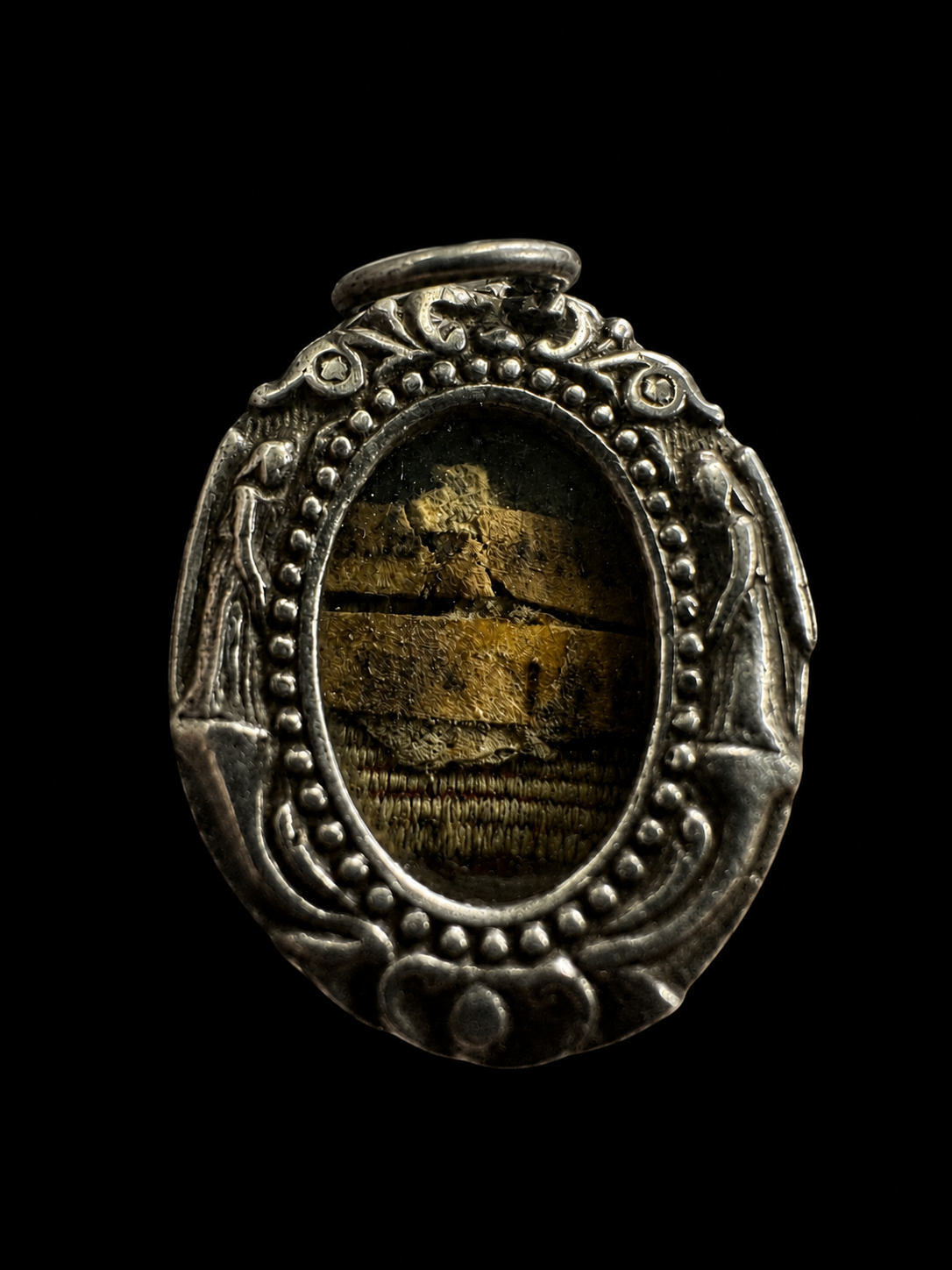
Devotional objects and sacred relics preserve material expressions of faith, remembrance, bodily presence, and transmission.
Together, these artefacts reveal not only what people knew, but how they observed, calculated, believed, communicated, remembered, and thought.
Institutional Development
The Collection is actively expanding its holdings while establishing the framework for a dedicated physical research facility, reading room, exhibition space, educational programme, and programme of scholarly and cultural exchange.
Central to this development is the creation of a dedicated repository for the preservation, documentation, interpretation, and study of Major John André (1750–1780) and the wider historical, intellectual, military, artistic, and cultural world in which he lived.
For more than two centuries, André’s surviving material record has remained dispersed among museums, libraries, archives, historical societies, private collections, and families on both sides of the Atlantic.
No single repository holds that record as a whole.
The Major André Collection™ exists to bridge that fragmentation.
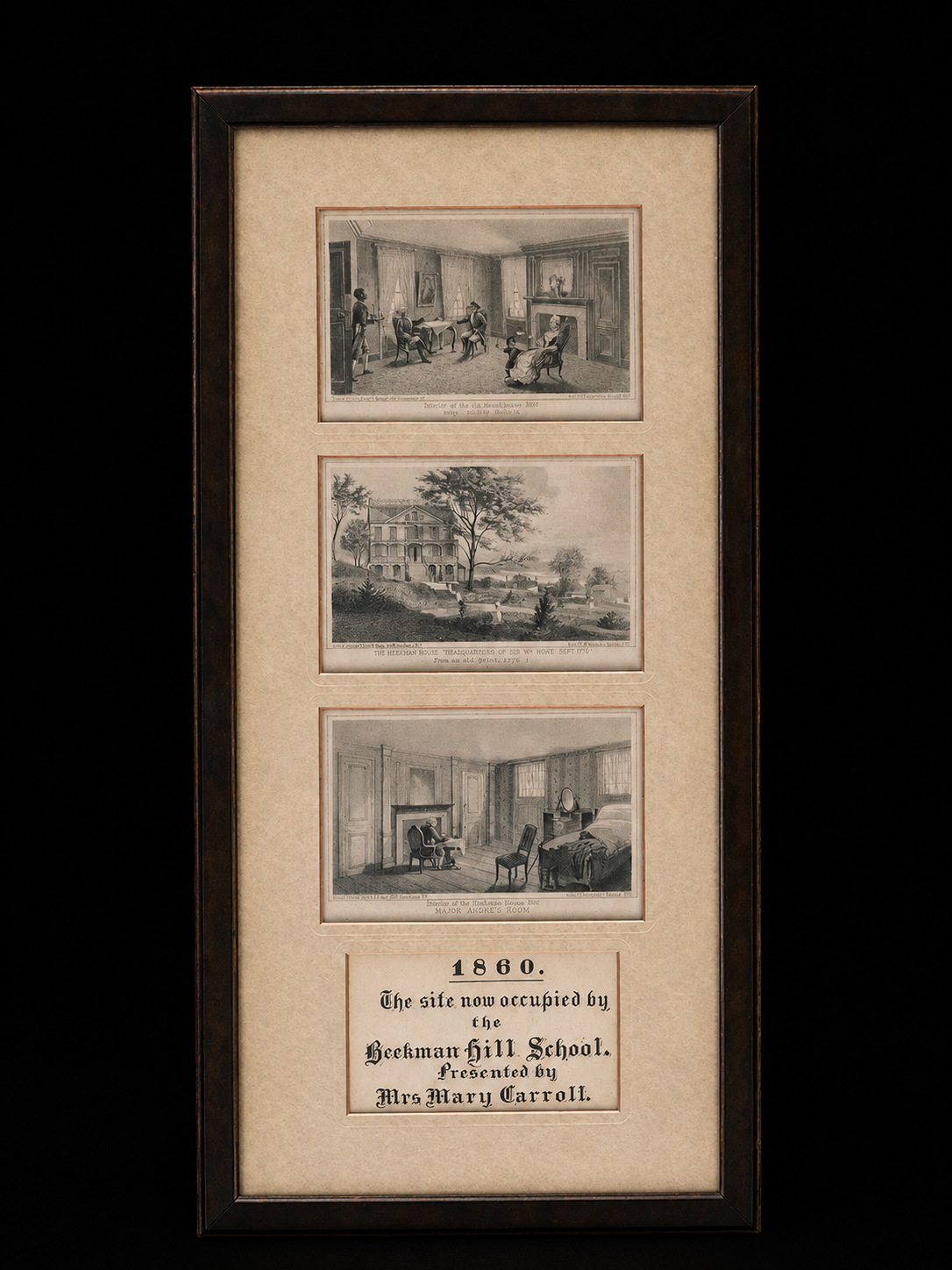
Its growing André holdings include early printed sources, historical biographies, engravings, architectural and place-related material, works documenting his literary and cultural afterlife, and associated material illuminating the environments, disciplines, relationships, and networks through which he moved.
The Collection seeks to identify, preserve, document, contextualise, and, where possible, bring related materials into closer scholarly relationship through acquisition, gifts, institutional loans, provenance research, scholarly collaboration, digital scholarship, and responsible custodianship.
In preparation for a dedicated physical space, archival materials and rare manuscripts are being systematically digitised to broaden scholarly access, while fully functional scientific and mathematical instruments may be made available for research and selective institutional loans upon enquiry.
The Collection welcomes correspondence concerning André-related manuscripts, artworks, books, personal effects, provenance, unidentified material, privately held collections, institutional holdings, loans, gifts, transfers, and potential acquisitions.
It also welcomes scholarly and educational collaboration relating to the wider disciplines represented within the Collection.
Research, Education, and Use
The Collection is founded on the belief that preservation and education are not separate undertakings.
Objects retain their greatest intellectual value when they remain capable of being examined, compared, interpreted, taught from, and placed into conversation with one another.
Accordingly, the Collection supports research and educational activity through the study of primary sources, material culture, handwriting, scientific instruments, historical methods of calculation and observation, correspondence, maps, and other surviving forms of recorded thought.
The purpose is not simply to preserve what remains, but to make visible the habits of mind, hand, and judgement through which earlier generations understood their world.
Through exhibitions, educational programmes, scholarly interpretation, selective object handling, digital access, and institutional collaboration, the Collection seeks to connect historical evidence with present enquiry.
In the Age of Artificial Intelligence
Artificial intelligence is often mistaken for an authority capable of recovering the whole historical record. In reality, it can work only from material that has been preserved, digitised, indexed, described, and made accessible.
Where primary evidence remains absent from the searchable record, an error may circulate as readily as a fact—particularly when secondary summaries repeat one another without returning to the underlying source.
Major John André is one such case. His surviving material record remains dispersed across eyewitness accounts, rare books, manuscripts, personal effects, institutional collections, private holdings, and materials not yet available online.
The Collection works to bring these fragments back into conversation with one another—and with the larger intellectual world surrounding them.
Through strategic acquisition, digital preservation, sustained primary-source research, provenance study, educational interpretation, and institutional collaboration, The Major André Collection™ is building a dedicated scholarly and educational home for Major John André, his life, legacy, and the wider world in which he lived—for generations to come.