
Education
The Major André Collection™ is committed not only to preserving the material record of the past, but to carrying forward the skills, disciplines, and habits of thought embodied within it.
Through its educational programmes, the Collection uses historical objects and primary sources as points of departure for practical learning—bringing younger generations into direct conversation with the worlds of writing, drawing, observation, measurement, navigation, correspondence, and the arts.
At the centre of this work is the forthcoming:
Portsmouth Land Indenture, August 1765
Hampshire, England
The Major André Collection™
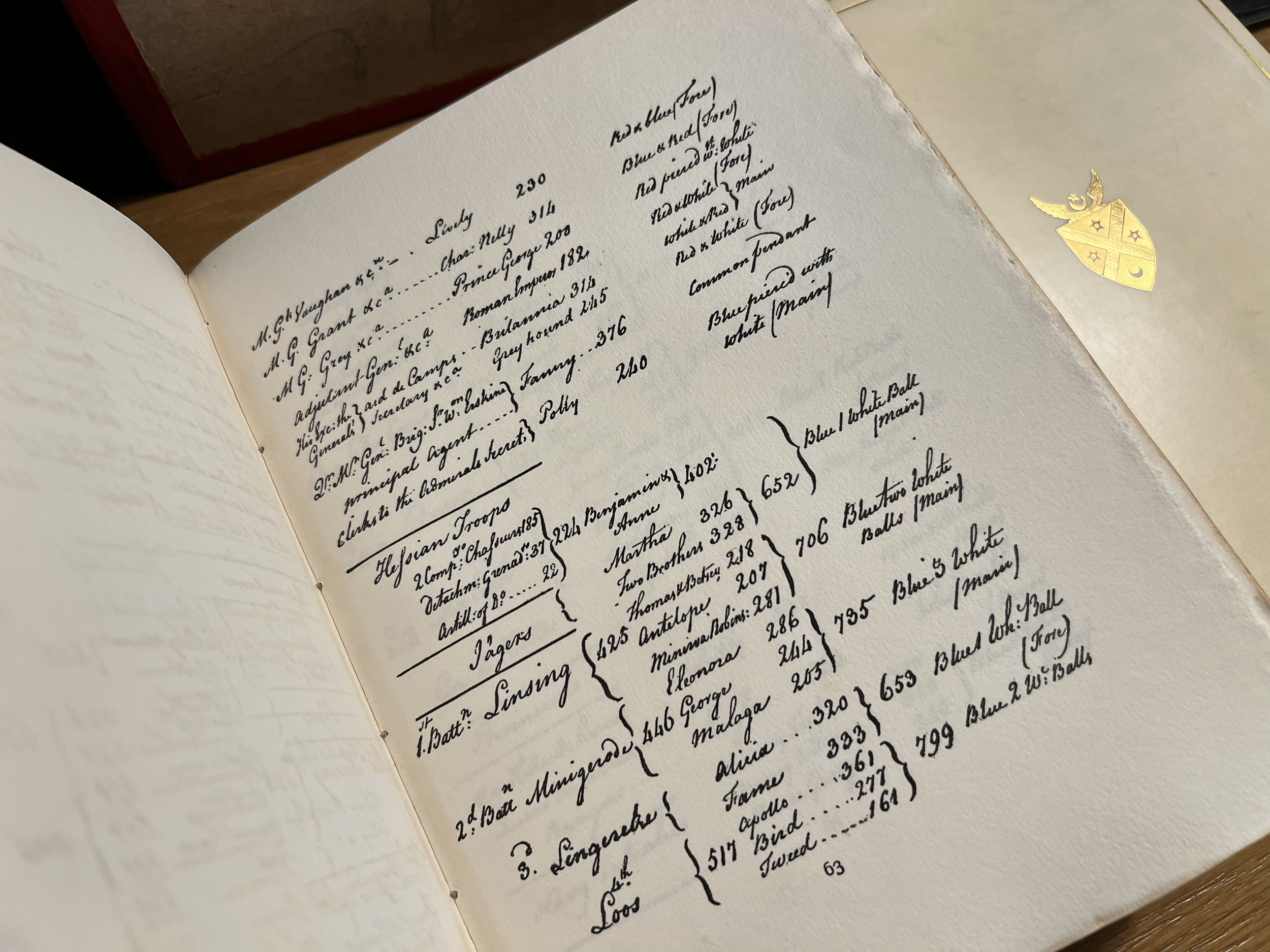
The John André Practical Arts Programme
The John André Practical Arts Programme is devoted to foundational human skills developed through disciplined use of the hand, eye, and mind.
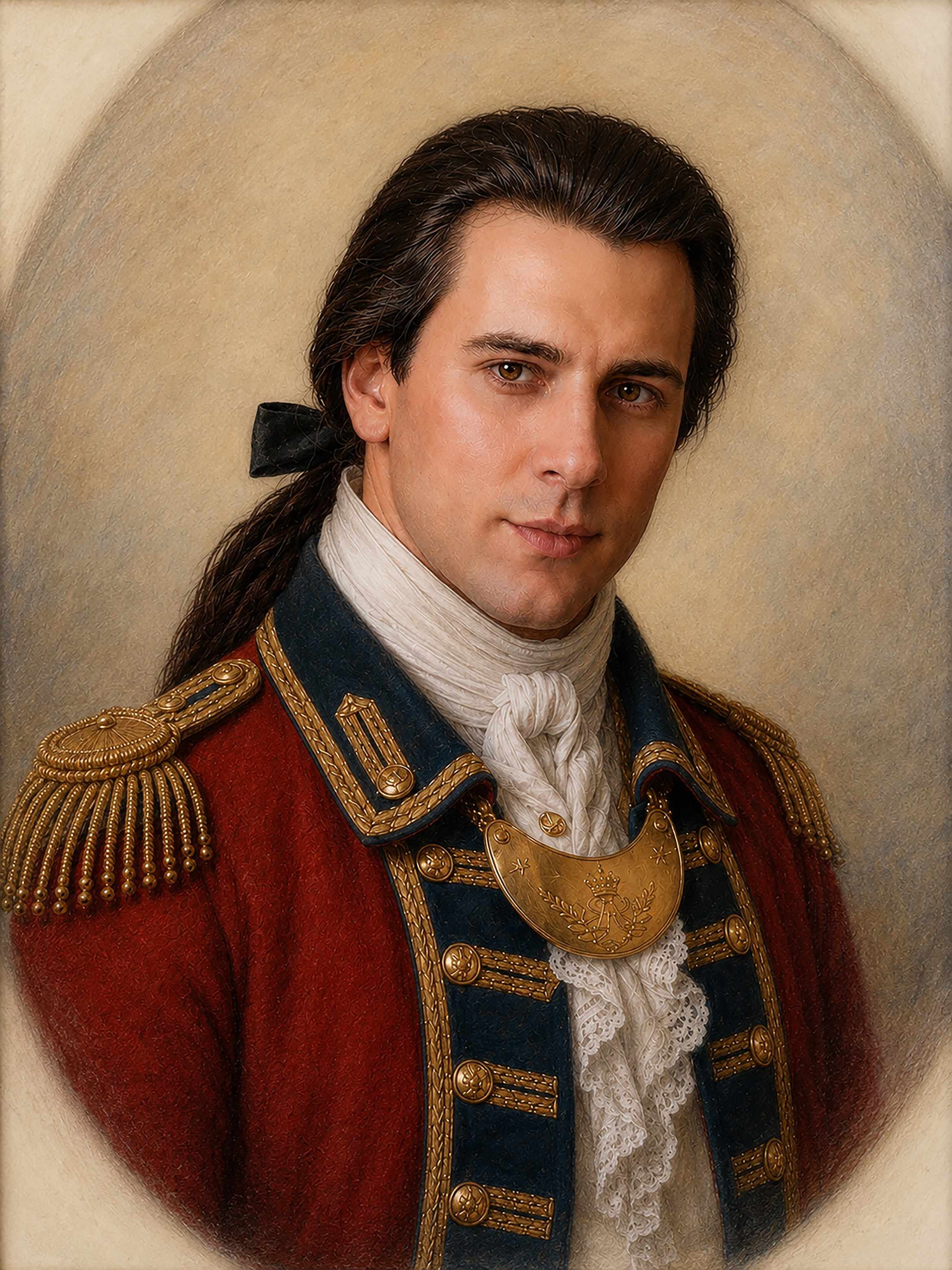
The John André Practical Arts Programme introduces children and young people to practical skills once fundamental to education, communication, scientific enquiry, navigation, and artistic training.
Its first areas of study are:
Penmanship
The disciplined practice of clear, confident handwriting.
Draughtsmanship
The close observation and accurate representation of form, proportion, structure, and space.
Mapmaking
The translation of observation, measurement, distance, orientation, and scale into a usable representation of place.
Together, these disciplines cultivate attention, judgement, coordination, spatial reasoning, visual literacy, and communication.
Historical manuscripts, drawings, maps, instruments, and other objects within the Collection serve as teaching material—not simply as examples of what earlier generations made, but as evidence of what they knew how to do.
Penmanship
Before handwriting became primarily a matter of personal style, penmanship was a practical discipline: a means of communicating clearly, recording knowledge, conducting business, maintaining relationships, and giving individual thought physical form.
Drawing upon eighteenth-century writing culture and surviving examples of historical hands—including manuscripts associated with Major John André (1750–1780)—students will examine the construction, proportion, rhythm, spacing, and movement of handwritten letters and develop a confident, legible hand of their own.
The emphasis is deliberately on penmanship rather than calligraphy. The objective is not ornamental imitation, but the cultivation of handwriting as a useful, expressive, and enduring human skill.
Students will ultimately be encouraged to put that practice to use through an act increasingly unusual in contemporary life:
writing and sending a letter of their own.
Draughtsmanship
Drawing was once an essential means of observing, analysing, recording, and communicating the visible world.
Used by artists, engineers, military officers, natural philosophers, architects, surveyors, cartographers, and travellers, draughtsmanship trained the eye to recognise proportion, line, contour, structure, scale, perspective, and spatial relationship.
Students will work from historical drawings, plans, objects, instruments, prints, and works on paper to develop the ability to look carefully and record what they see with clarity.
Mapmaking
A map is the result of decisions about distance, direction, scale, position, measurement, orientation, boundaries, routes, and significance.
Using historical maps, surveying traditions, navigational practices, and mathematical instruments as points of departure, students will explore how physical space is observed, measured, organised, and translated onto paper.
They will move from reading maps to making maps of their own, developing practical spatial reasoning alongside an understanding of historical methods of navigation and representation.
From One Hand to Another
The John André Practical Arts Programme reflects a broader principle of The Major André Collection™:
preservation acquires greater meaning when knowledge is allowed to move forward.
The handwriting, drawings, maps, instruments, books, and working documents preserved within historical collections are evidence not merely of what earlier generations produced, but of what they knew how to do.
The archive preserves the hand that was.
Education places the skill in the hand that comes next.Programme development is currently underway. Further information concerning curriculum, age groups, workshops, and participation will be announced in due course.
Join the Correspondence below to receive updates and news of future developments.